The Africa HealthTech Summit marked five years of impact this year, bringing delegates to Kigali for three days to discuss what artificial intelligence (AI) and digital tools can do for health across Africa. Transform Health arrived with a key focus: what foundations need to be in place to ensure this is equitable, rights-based and sustainable? In our view, two priorities are: 1) clear rules for how health data is governed, and 2) better visibility over where digital health investment goes. These were the focus of the two sessions we convened during the Summit, while also bringing them into other discussions throughout the week.
Strong stakeholder support for an African Continental Framework on Health Data Governance
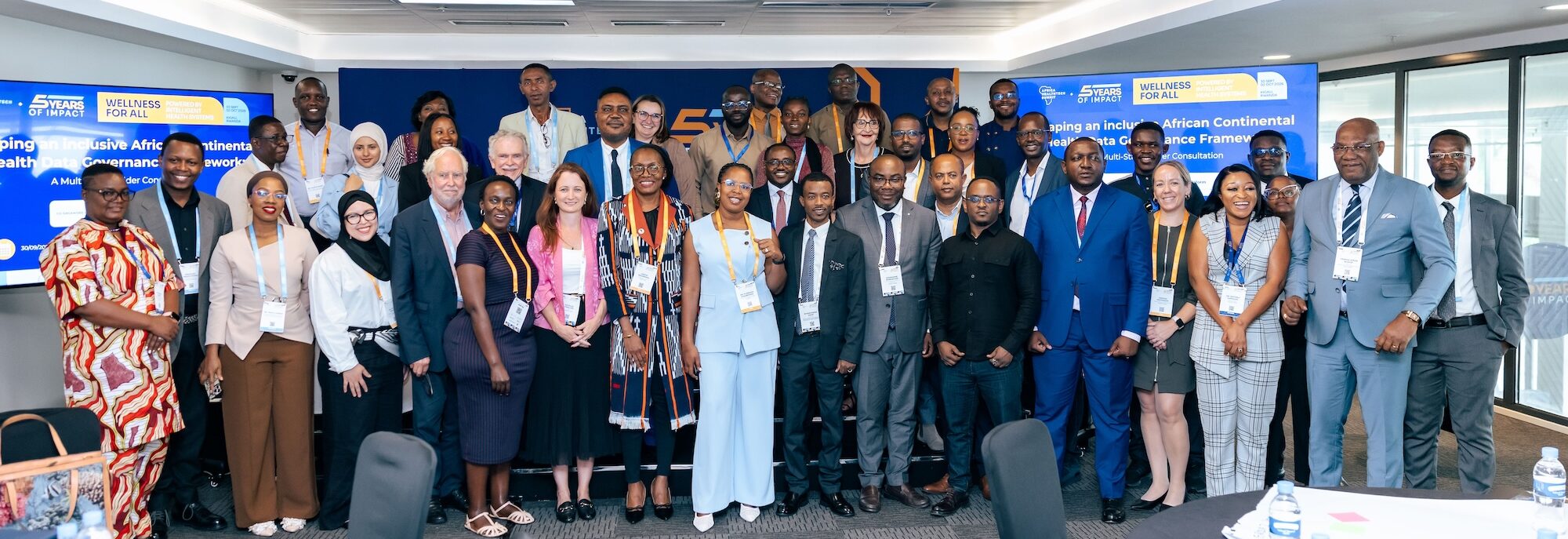
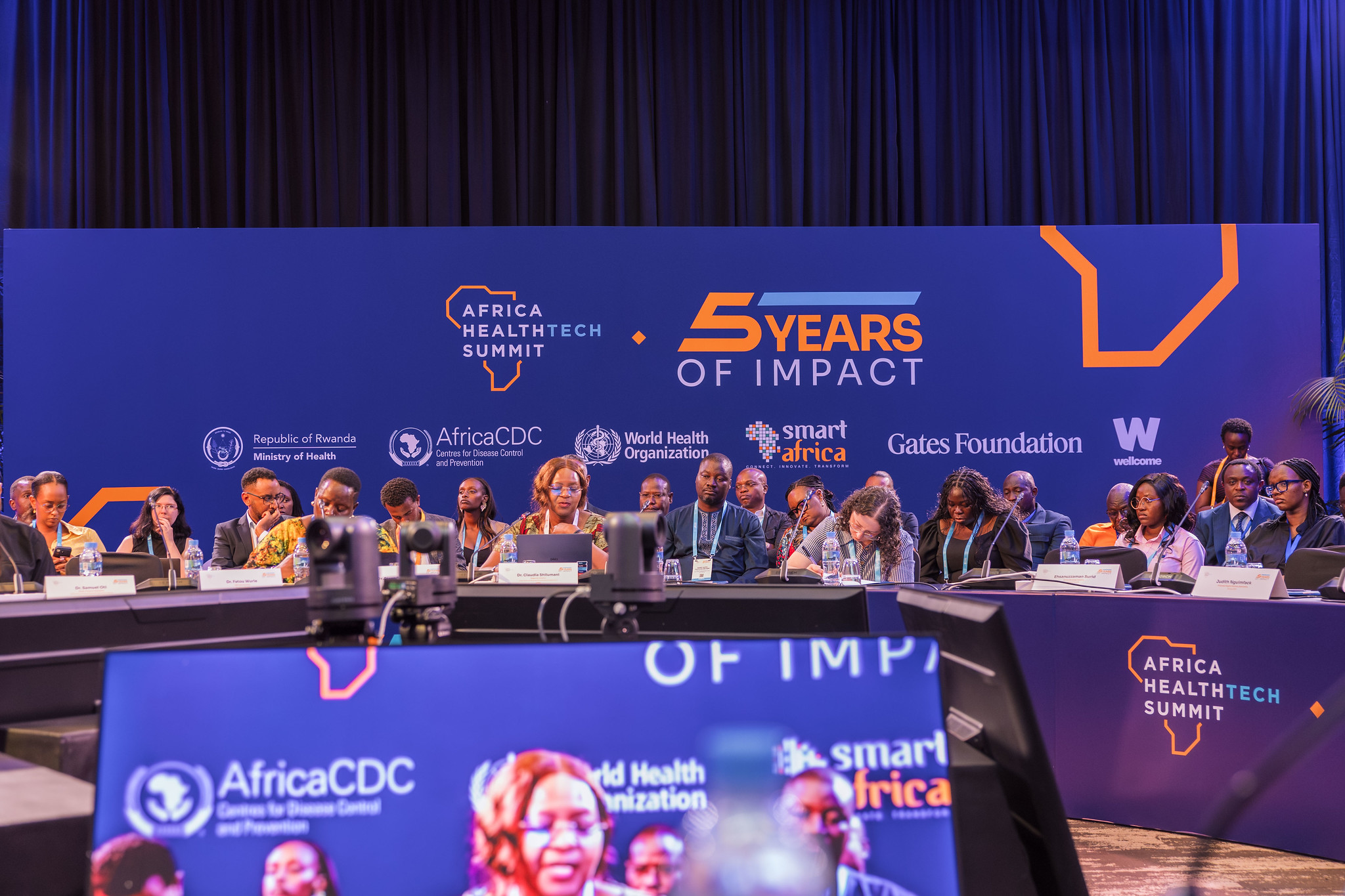
Shaping an inclusive African Continental Health Data Governance Framework: A multi-stakeholder consultation; co-convened by Africa CDC and Transform Health at the Africa HealthTech Summit 2026
More than 100 stakeholders, from 70 organisations, came together to provide inputs on the draft African Continental Health Data Governance Framework before it goes to African Union Member States for validation later this month – ahead of its proposed adoption at the AU Summit in early 2027. Health Ministry representatives from 11 countries (Botswana, Cameroon, Côte d’Ivoire, Egypt, Ethiopia, Liberia, Namibia, Senegal, Sierra Leone, Rwanda and South Africa) took part, alongside other stakeholders, including regional bodies, networks, development partners, academic institutions, civil society, young people, and private sector actors.
The framework helps to align countries around core legislative foundations needed for the responsible and equitable governance of health data, which in turn helps bolster national frameworks and support cross-border data sharing. It helps tackle key questions, including around: data sovereignty, the terms on which health data crosses borders, and the data governance foundations needed for responsible use of AI in health. These are hard precisely because legal systems and institutional capacity vary so much between countries – and therefore why such a continental framework is needed.
Transform Health has supported this agenda alongside Africa CDC from its early stages, building political support and contributing technical input and support as the Framework has developed, and now moves towards validation and adoption.
What comes next: Recommendations from Kigali will feed into the Member State validation workshop taking place on 21-22 October in Addis Ababa, co-convened by Africa CDC and Transform Health. The meeting will bring together all 55 African Union Member States and strategic partners to validate and finalise the framework, ahead of its anticipated adoption at the African Union Summit in early 2027. The work that matters most begins after that: domestication into national law and practice. Transform Health will continue working alongside Africa CDC to support that process.
From fragmented funding to a common language to drive more transparent and accountable digital health and AI investment
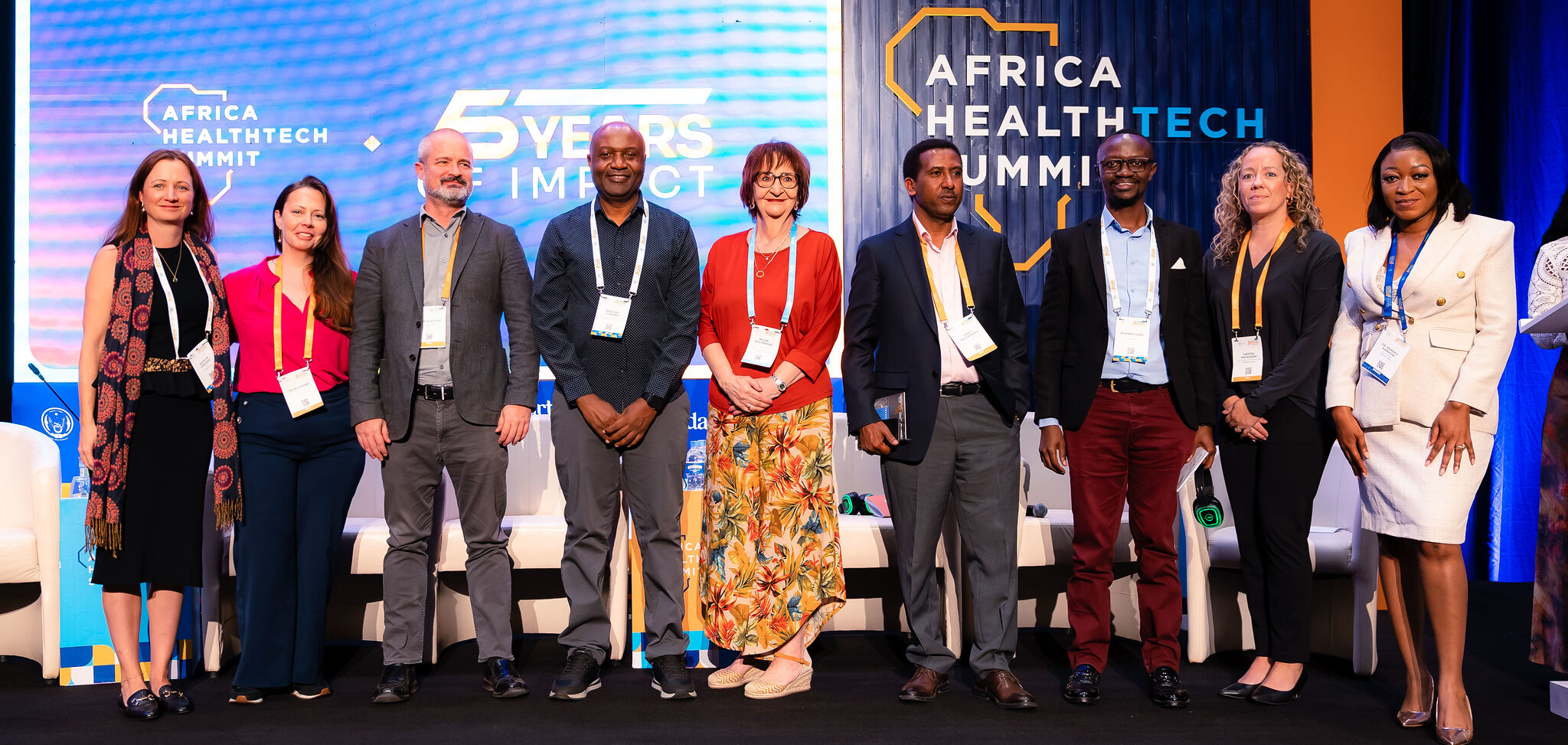
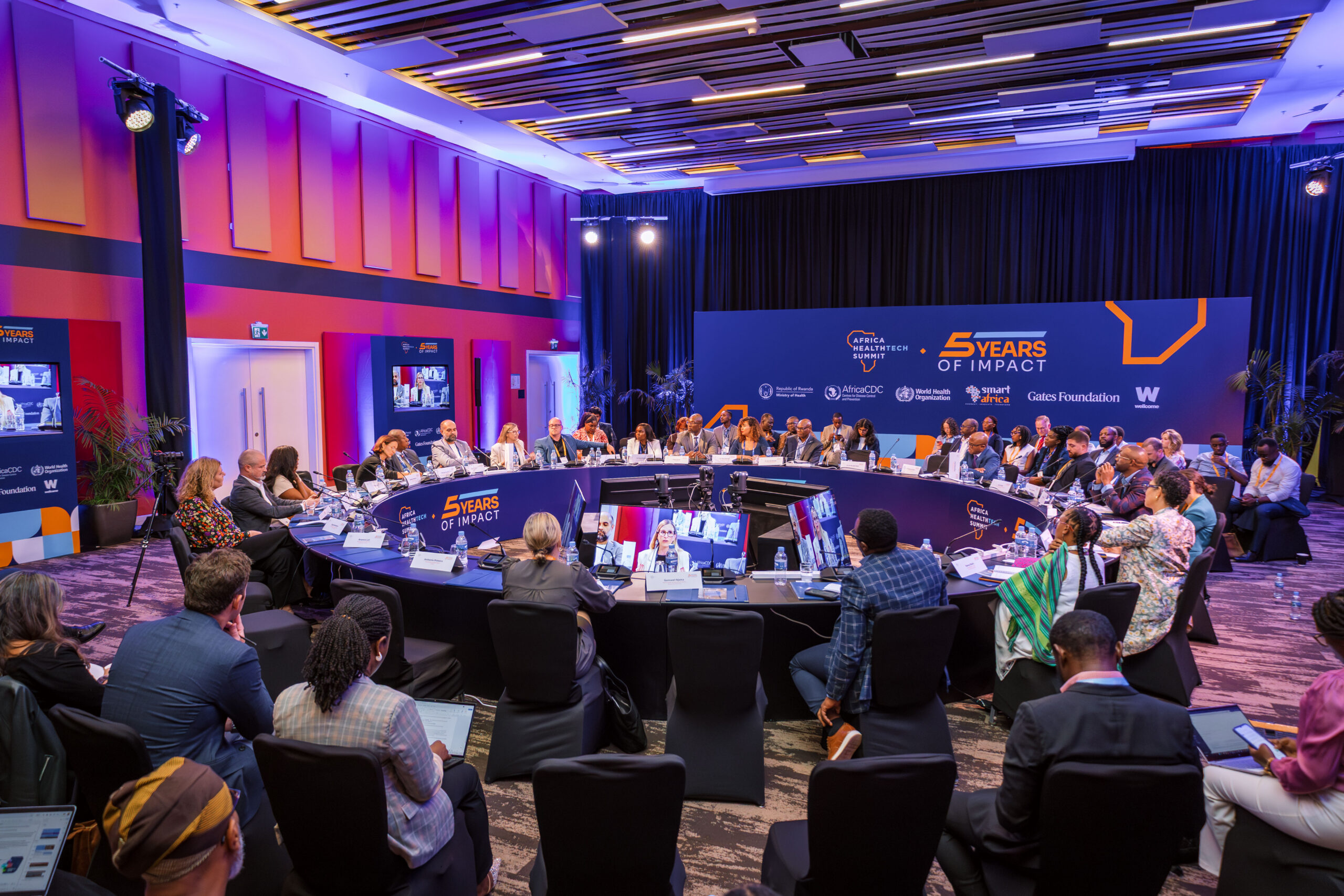
From investment to impact: Using a common classification framework to align and optimise digital health and AI financing in Africa; co-organised by Transform Health and UNICEF at the Africa HealthTech Summit 2026
Transform Health, together with UNICEF, organised a session, ‘From Investment to Impact: Using a Common Classification Framework to Align and Optimise Digital Health and AI Financing in Africa’. The session brought together governments, development partners and private sector to discuss a new Investment Classification Framework – which establishes a standardised approach for classifying and tracking investment – and the role it can play in improving planning, budgeting, coordination and alignment of funding across the digital health funding ecosystem. The Framework has been developed with a leadership steering committee comprising UNICEF, the World Health Organization, the Organisation for Economic Co-Operation and Development (OECD), the World Bank, and the Global Fund.
The session saw strong recognition and backing for such a framework, and enthusiastic intent from panelists on how they would use it. With current resource constraints, several speakers spoke to the urgency of such a Framework. Innocent Chiboma of the Ministry of Health Zambia described the Framework as a chance to support the budget transparently and direct resources where they are needed the most. Dawit Birhan of the Federal Ministry of Health Ethiopia pointed to the value of a standardised approach across government, partners, and the private sector, particularly in making the case to investors by showing where investment delivers impact. Nicola Hobby of the World Bank said the Framework addresses a critical gap – creating a common language across agencies.
What comes next: The Framework will be formally launched at the Global Digital Health Forum in December. The priority from there is its practical use. Transform Health will be working with governments, and other key stakeholders, to support that exactly.
Elevating priority issues across various AHTS@5 sessions
Transform Health was invited to contribute to several other sessions across the wider programme, with a consistent position: digital health and AI can only deliver on their promise when there is a strong enabling environment to support them.
 |
“Funding for digitalization of SRHR in a changing resource constrained geopolitical world” (Roundtable organised by IPPF) – contributing to this discussion on how digitalisation could stretch scarce resources further, we spoke to key challenges we have identified in the funding landscape; the need for more standardised classifications and tracking of investment to better optimise and improve accountability of funding; and the role of the Investment Classification Framework to support just that.
|
|
“Beyond Pilots: Building Nationally Owned Data, Digital Health and AI Systems in Africa” (Roundtable organised by PATH) – as part of this conversation on identifying what separates nationally adopted systems from stalled pilots, we brought in perspectives around weak legal foundations. We highlighted gaps we’ve found from the legislative landscape reviews we’ve carried out across more than 24 countries, and how we’re working to close those gaps, including through our tools (Health Data Governance Principles and Legislative Blueprint), technical support, and galvanising political action.
|
 |
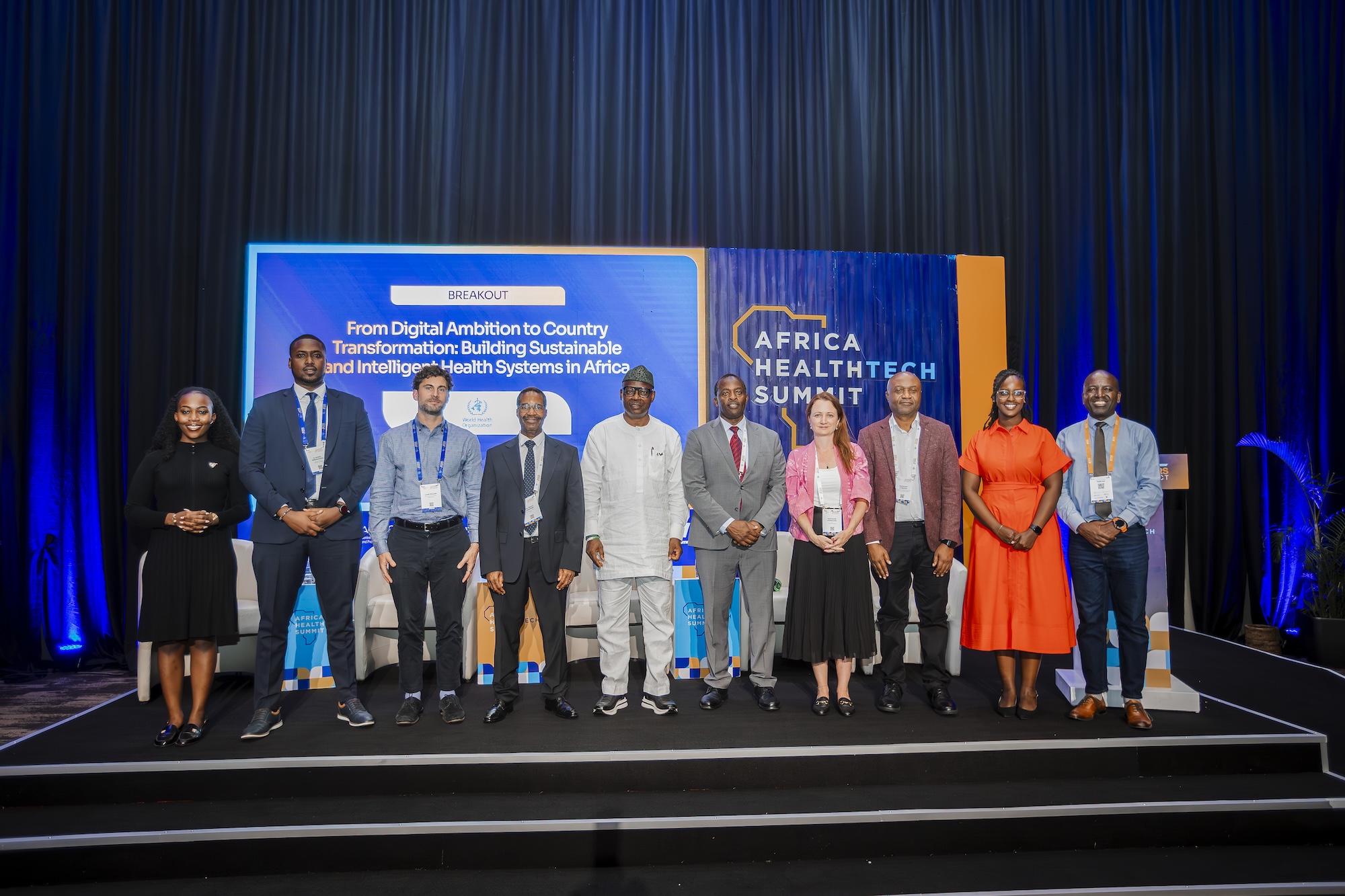 |
“From Digital Ambition to Country Transformation: Building Sustainable and Intelligent Health Systems in Africa” (panel hosted by WHO) – focussed on moving the conversation from individual technologies to the institutional conditions Member States need to turn strategy into integrated, country-owned digital health ecosystems, we spoke to our Roadmap to 2030, which makes the case that countries need to invest in their enabling environment foundations of the digital health transformation. We shared about how Transform Health is supporting countries on this journey, including through our national multi-stakeholder coalitions in Ecuador, India, Indonesia, Kenya, Mexico, and Senegal.
|
|
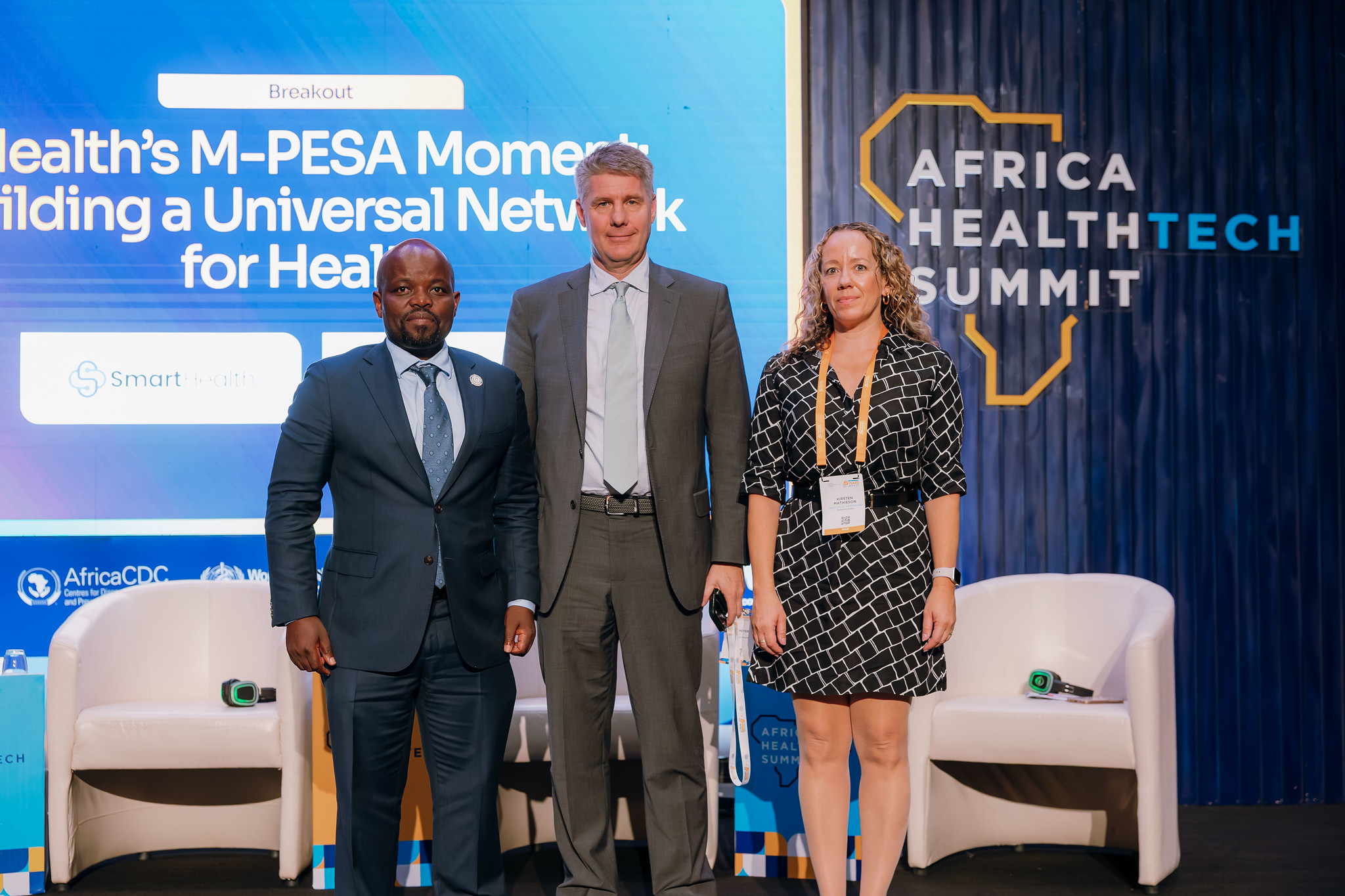
“Health’s M-PESA moment: Building a universal network for health” (organised by Smart Health Network and Africa Digital Health Network) – with the session’s focus on how a shared connective layer can help ensure more integrated and interoperable systems to scale, we joined the panel to speak about the legal foundations needed to build trust in those systems, as well as the importance of engaging patients and communities so they’re aware of their data rights.
|
 |